Self-Test D-3.1 Describe Fittings Used in the Pipe Trades
Complete Self-Test D-3.1 and check your answers.
- The abbreviation “SO,” when used for plumbing fitting descriptions, stands for
- Soldered outlet
- Side outlet
- Steam outlet
- Slip-on
- The abbreviation “Galv,” when used for plumbing fitting descriptions, stands for
- Grey aluminum valve
- Galvanic
- Gallon volume
- Galvanized
- The abbreviation “San,” when used for plumbing fitting descriptions, stands for
- Sanitary
- Steam and nitrogen
- Sand cast
- Sand finish
- The abbreviation “CSA,” when used for plumbing fitting descriptions, stands for
- Canadian Standards Association
- Copper Systems Alliance
- Copper Standard Adapter
- Canadian Safety Association
- The abbreviation “w/o,” when used for plumbing fitting descriptions, stands for
- Wide/offset
- White/orange
- With/out
- Water/oil
- The abbreviation “IPS,” when used for plumbing fitting descriptions, stands for
- Internal pipe size
- International plumbing system
- Inside pipe size
- Iron pipe size
- The abbreviation “DWV,” when used for plumbing fitting descriptions, stands for
- Drain water valve
- Double waste vent
- Drainage waste and vent
- Downstream water valve
- The abbreviation “MIPT,” when used for plumbing fitting descriptions, stands for
- Male iron pipe thread
- Malleable iron pipe thread
- Maximum inside plastic tapping
- Medium iron pipe tapt
- When comparing a DWV fitting to a pressure fitting, which one of the following statements is true?
- The pressure socket is shallower.
- The pressure fitting has a gradual bend throat.
- The DWV fitting has a gradual bend throat.
- The DWV socket is deeper.
- The end of a fitting that fits into the socket end of another fitting is called the
- Bell
- Hub
- Spigot
- Face
- A malleable iron fitting differs from a cast iron threaded fitting in which of the following ways?
- Cast iron fittings will not crack; malleable fittings will crack.
- Cast iron fittings have a thicker bead; malleable fittings have a thinner bead.
- Cast iron fittings will stretch; malleable fittings will not stretch.
- Cast iron fittings have a short radius; malleable fittings have a long radius.
- Which category of fitting is primarily used to change direction of piping?
- Elbow
- Tee
- Coupling
- Adapter
- Which category of fittings is used to join three pipes together?
- Elbow and bushings
- Tees and wyes
- Union and couplings
- Branch and runs
- Which type of fitting will change the direction and reduce the size of a pipe at the same time?
- Sanitary double tee
- Copper by MIP adapter
- Reducing elbow
- Reducing coupling
- Another name for an elbow is a
- Wye
- Union
- Bend
- Round turn
- Which fitting is used change direction and to secure piping to backing for support?
- Street elbow
- Wingback elbow
- Pipe clamp
- Pipe cap
- Which elbow has MIP threads on one end and FIP threads on the other end?
- Wingback elbow
- Reducing elbow
- Spigot elbow
- Street elbow
- Which fitting allows four pipes to be joined together?
- Sanitary tee
- Double wye
- Reducing tee
- Cleanout
- Which fitting allows two straight lengths of pipe to be joined together without changing direction of the pipe?
- Tee
- Wye
- Elbow
- Coupling
- This fitting allows connection of piping to equipment and provides for easy removal, if necessary.
- Street elbow
- Union
- Coupling
- Bushing
- Which fitting is used to provide easy access to a pipeline for maintenance?
- ABS permanent cap
- ABS test cap
- Cleanout
- Reducer
- Which of the following choices is not a factor used to identify a fitting?
- Size
- Use
- Shape
- Weight
- When describing the opening sizes of a wye, which one of the following rules applies?
- State the largest size of the run first.
- State the smallest size of the branch first.
- State the smallest size of the run first.
- State the largest size of the branch first.
- The first item written when describing a single fitting is the fitting
- Shape
- Size
- Use
- Joint method
- Which one of the following rules applies when describing the sizes of a sanitary double tee?
- State each size starting with the branch when all sizes are the same.
- State the largest size on the branch first and then each size on the run.
- Only one size needs to be described when all sizes are the same.
- No sizes need to be stated when all sizes are the same.
- In which type of tee is the branch connection larger than the run?
- Sanitary
- Straight
- Double sanitary
- Bullhead
- A short piece of threaded pipe that appears to be threaded over its entire length is a
- Short nipple
- Close nipple
- Long nipple
- Shoulder nipple
- Which of the following is a pipe flange style?
- Goose neck
- Slip-on
- Strap-on
- Gear
- Which of the following is a flange face type?
- Flat
- Round
- Square
- Rough
- Which fitting joint includes a coupling nut and ferrule?
- Flange
- Soldered
- Compression
- Slip-on
- An insert sleeve is used with which one of the following joint types?
- Compression
- Flanged
- Soldered
- Socket-weld
- The SAE flare fitting angle is
- 37 deg
- 45 deg
- 60 deg
- 30 deg
- Which fitting requires a gear clamp to join polyethylene tube?
- Insert
- Crimp
- PEX
- Compression
- Which joint method is used to join no-hub cast iron?
- Victaulic clamp
- MJ clamp
- Flange
-
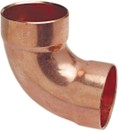
Figure 1 Image for question 36 (Courtesy of NIBCO INC) ABS coupling
- Which joint method uses a ring gasket and joint restraint to hold the pipe together?
- Welded
- Solvent cement
- Push-on
- MJ clamp
- The fitting shown in Figure 1 is a C × C
- Adapter
-
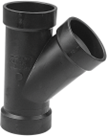
Figure 2 Image for question 37 (Courtesy of NIBCO INC) Streamline elbow
- 45 deg DWV elbow
- Coupling
- The fitting shown in Figure 2 is a
- 45 deg elbow
- three-way elbow
- 45 deg wye
- DWV tee
- The fitting shown in Figure 3 is a
- Wye
-
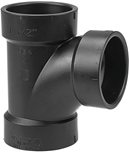
Figure 3 Image for question 38 (Courtesy of NIBCO INC) Sanitary tee
- Offset tee
- Short turn tee
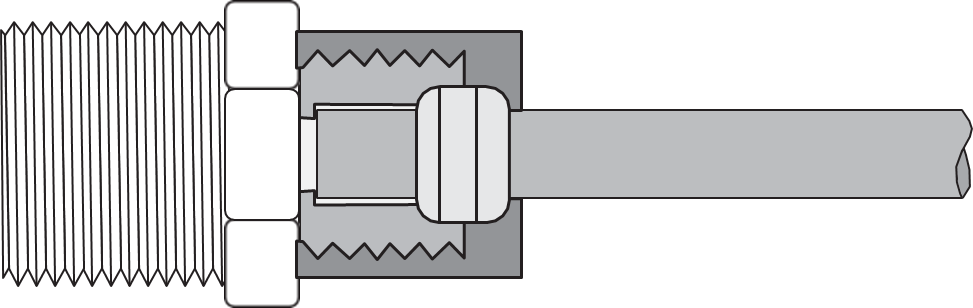
- Figure 4 shows a copper
- Bushing
- Rolled tube-stop coupling
- Adapter
- MJ coupling
- Figure 5 shows a
- Compression fitting
- 3-piece coupling
-
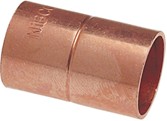
Figure 4 Image for question 39 (Courtesy of NIBCO INC) Gasket union
- Flare fitting
Fill in the blanks in the Table below with the correct abbreviation or description.
|
Abbreviation |
Meaning |
|
ell |
|
|
|
Adapter |
|
|
Black cast iron (threaded pipe fittings) |
|
|
Black malleable (threaded pipe and fittings, not galvanized) |
|
C×C |
|
|
C×FIPT |
|
|
c/o |
|
|
|
Cast iron (pipe and fittings) |
|
CSA |
|
|
Dbl |
Double (e.g. double wye) |
|
DWV |
|
|
FIPT |
|
|
Galv |
|
|
IPS |
|
|
IPT |
|
|
FPT or FIPT |
|
|
|
Malleable (pipe and fittings) |
|
|
Mechanical joint clamp (pipe and fittings) |
|
OPT and MPT |
|
|
RH or LH |
|
|
MIPT |
|
|
SAE |
|
|
|
Sanitary (drainage fittings) |
|
|
Schedule (used to describe a steel pipe wall thickness) |
|
|
Side outlet (used to describe a tee with a side outlet connection) |
|
|
Spigot end |
|
Tapt |
|
|
|
without (e.g. an ABS P-trap w/o cleanout) |
|
WC |
|
|
WB |
|
|
WOG |
|
|
|
Wrought |
|
|
Y fitting |
Answer Key: Self-Test D-3.1 is on the next page.